
野猪大改造
Why China's favorability is rising across the Global South_我的网站

一 |
What explains China's growing appeal?
For many developing countries, China offers a practical development partnership centered on infrastructure, investment, industrialization, technology transfer and trade. Rather than prescribing a single pathway to modernization, it has generally emphasized allowing countries to pursue development in line with their national priorities.
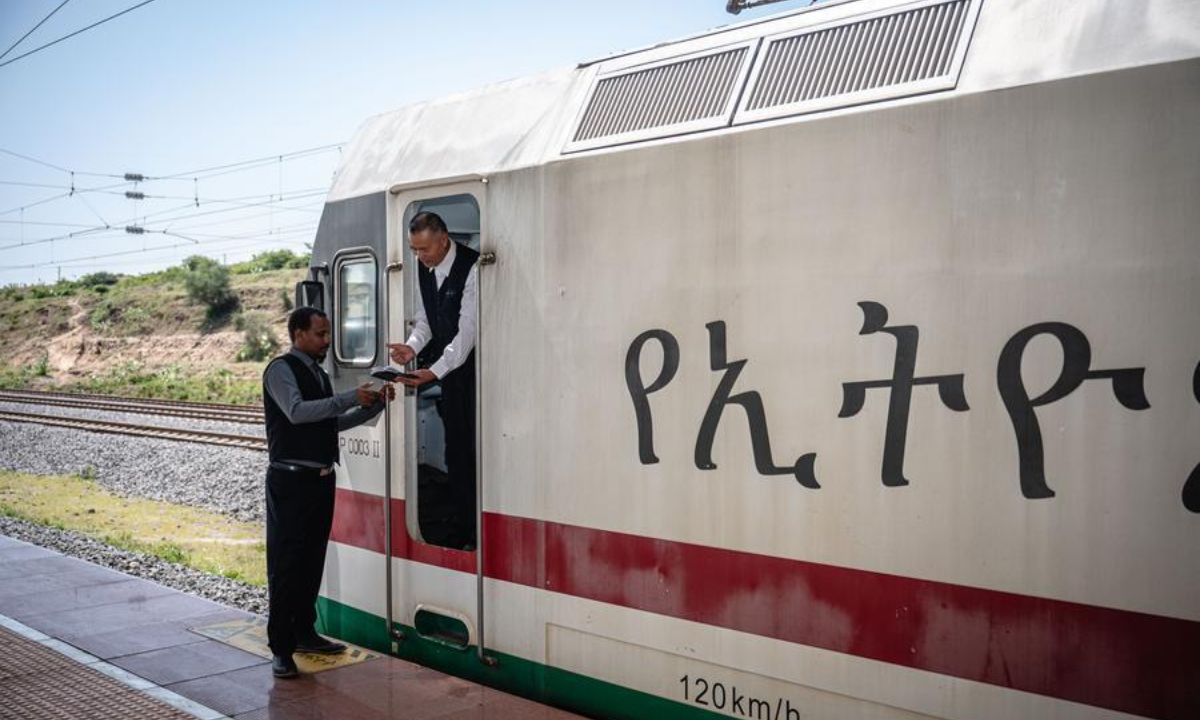
One reason China's influence has grown is that its development model is highly visible. From Ethiopia's railways to Pakistan's power plants, Chinese-financed projects address everyday development challenges by improving transport, energy security and connectivity. Through the Belt and Road Initiative, China has mobilized nearly 1 trillion U.S. dollars in infrastructure investment, producing projects that citizens can see, use and associate with economic progress.
The distinction lies not only in the scale of investment but also in the evolving priorities of development cooperation. While many Western partners have increasingly emphasized economic security, strategic de-risking, private-sector mobilization and governance reform, China has combined large-scale investment in physical infrastructure with technology transfer, industrial cooperation and human capital development.
At the same time, China has actively promoted trade by expanding market access, including granting zero-tariff treatment to many least-developed countries, deepening currency-swap arrangements, and encouraging the use of local currencies in cross-border trade. Together, these measures seek to strengthen economic connectivity, reduce transaction costs and exchange-rate risks, and create new opportunities for developing countries to integrate into regional and global value chains.
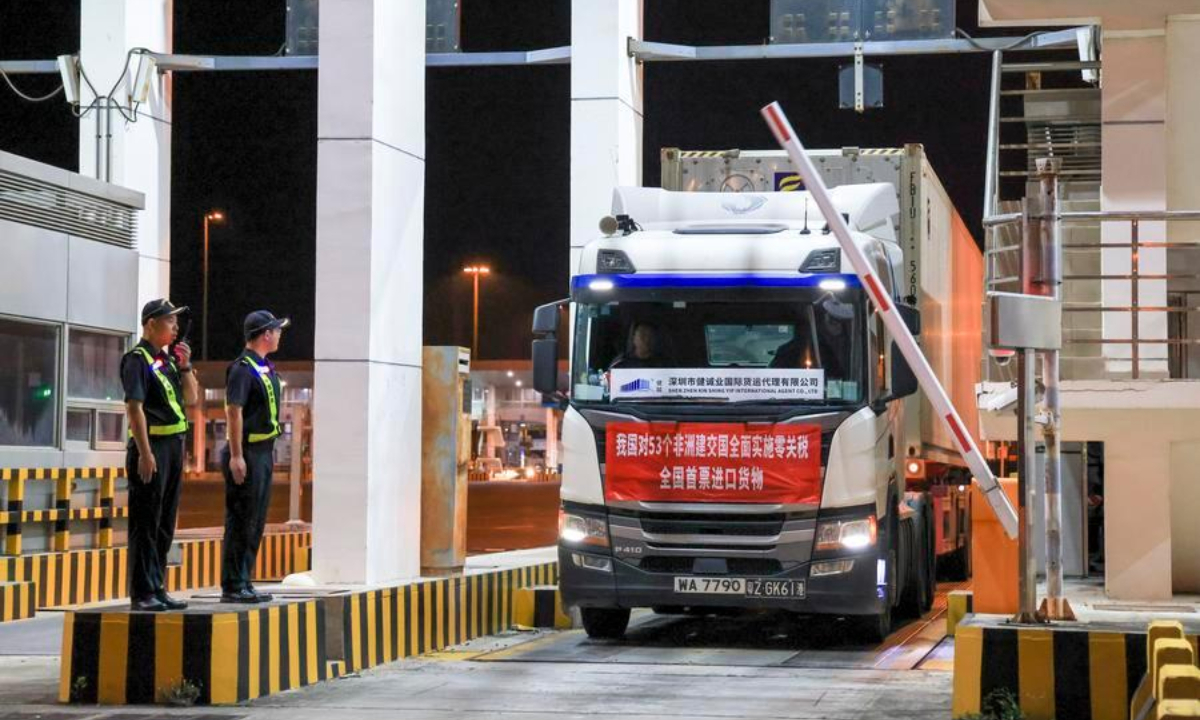
This integrated approach has produced tangible improvements in productivity, connectivity and local capacity, reinforcing perceptions of China as a long-term development partner.
Equally important is the philosophy underpinning China's engagement. Beijing consistently emphasizes sovereignty, mutual respect and non-interference, maintaining that every country should determine its own political and development path. For many governments across the Global South, this approach is a partnership based on equality rather than political conditionality, allowing them greater policy space to pursue domestic development priorities.
Diplomatic style has also influenced perceptions. Through mechanisms such as the Forum on China-Africa Cooperation and regular engagement with Pacific Island countries, China has committed itself to equality and shared development. For many governments in the Global South, that sense of respect and recognition is not merely symbolic -- it contributes to long-term political trust.
Perhaps the most important nuance is this: the Global South is not becoming anti-American; it is becoming strategically pragmatic. Its foreign policy decisions are increasingly guided by national interests, economic opportunity, and development priorities rather than Cold War-style geopolitical alignment.
The Global South's primary ambition is neither ideological nor geopolitical -- it is developmental. Governments want to create jobs, eliminate poverty, modernize infrastructure, strengthen industrial capacity and improve the quality of life for their citizens. China's transformation over the past four decades, from lifting hundreds of millions of people out of poverty to becoming a global leader in infrastructure, manufacturing and technology, has demonstrated what sustained long-term planning can achieve. Consequently, many developing countries are looking to China not as a model to replicate wholesale, but as a development partner from which they can learn, cooperate and pursue shared prosperity while preserving their own policy autonomy.
This contrast is also reflected in broader policy priorities. At a time when many Western governments are increasingly emphasizing tariffs, export controls, technology restrictions, sanctions and economic security, China has continued to promote infrastructure investment, trade, industrial cooperation, technology partnerships, open-source AI initiatives and greater access to its domestic market. Whether one agrees with either approach or not, many developing countries evaluate partnerships primarily through the lens of economic development and tangible outcomes. That difference in emphasis is helping reshape global perceptions.
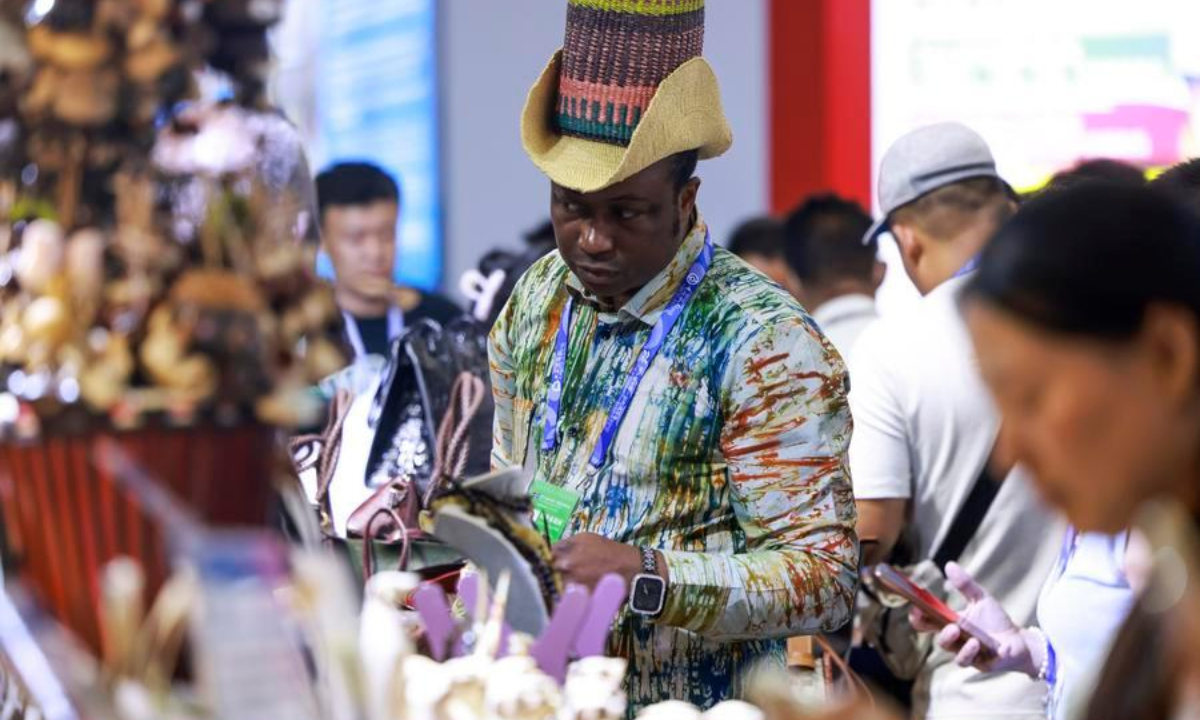
The world is changing, and the transition toward a more multipolar international order is becoming increasingly evident. The Global South is no longer a passive participant in world affairs. Its countries are exercising greater strategic autonomy, making decisions according to their own national interests, development priorities and the aspirations of their people. In China, developing countries have found a true friend and good partner.
Editor's note: Maya Majueran serves as the director of the Belt and Road Initiative Sri Lanka, an independent and pioneering organization with strong expertise in Belt and Road Initiative advice and support.
。
直播吧4月21日讯 菲戈作为劳伦斯奖大使之一出席本周一在马德里的活动,并接受了媒体采访,聊到了皇马和巴萨的近况。
谈安切洛蒂是否会继续执教皇马
“这个问题应该问弗洛伦蒂诺,我不知道。坦白说,在足球界这么多年了,我知道人们的记忆是短暂的,他们只看得到你最近的成绩。

二 | 也许因为这是皇马,但我对质疑像安切洛蒂这样的教练感到非常惊讶,没想到欧冠赛后新闻发布会上唯一的问题竟然是关于主教练的未来。我认为没有谁在足球场上是常胜将军,所以我不知道最终的决定会如何,这只是我的看法,我对此感到非常惊讶。”
谈皇萨的国王杯决赛
“这是皇马多年未赢过的国王杯,也是本赛季一项重要的冠军,也许其中一队在士气上稍占上风,但结果仍然是难以预料的。”
谈维尼修斯和姆巴佩在场上是否兼容
“我不知道,但两位世界级球员......两个世界上最好的球员之间无法理解彼此……有时候比赛可能不会如预期那样发展,但这并不意味着这是普遍会发生的情况。

三 | 总之,我认为其中有很多问题可以多加讨论。”
谈伯纳乌嘘姆巴佩
“我不知道什么情况,不过,皇马球迷对所有人都会嘘,这并不是说他应该有不同的感受。我也被嘘过,这很正常,尤其是在我表现不好的时候。”
谈维尼修斯没有参与巴尔韦德的绝杀庆祝
“我不知道发生了什么,我不喜欢对没看到的事情发表意见。

四 | 你应该问他为什么不庆祝,是不是对球迷感到不满。但我认为与自己的球迷不和从来都不是好事,不是吗?你希望得到他们的支持,那就好好表现,让球迷们开心。

五 | 其他球迷的看法无关紧要,但你肯定希望自己的球迷喜欢你。

六 | ”
谈欧冠夺冠热门
“对我来说,巴黎的状态和体能情况都很好,但这很难说,我不敢轻易断言。”
谈国米和巴萨的欧冠半决赛
“两支球队风格迥异,如果认为国米只注重防守那就错了。

七 | 本赛季,国米有机会赢得三冠王。在意甲,他们防守出色,在欧冠中丢球也很少,队内还拥有多名能够改变比赛局势的球员。所以我认为需要这支球队进行全面分析,而不仅仅将其视为一支防守型球队。”
拉菲尼亚和莱万谁会挺身而出?
“我认为,有信心的球员肯定会表现得更好,如果你踢过足球,你会明白我的意思,很多时候,当你充满信心时,一切都会变得顺利,无论你的技术水平如何。”
谈亚马尔
“我认为,除了他的天赋和实力之外,最令人惊讶的是他的成熟和个性。在他这个年纪,他展现出的成熟度让我非常惊讶。很多时候,年轻人可能不会过多考虑责任和自己所代表的意义,只专注于踢球,但他在这方面的表现确实让我印象深刻。”
谈巴萨的进步
“我之前就认识弗里克,他在拜仁做得非常出色。我曾怀疑他是否如何能够融入俱乐部,适应我非常了解的球队哲学以及巴萨的比赛方式。

八 | 但实际上,他的工作完成得非常出色。
Current article:http://www.zhouangnaoguangsundianzhenmou.cfd/5p84or6/xbfhofd.html
Published on:15:14:24
我的网站最近更新
- 在线旅游巨头Booking.com在西班牙面临反垄断调查
- 今明两天仍有阵雨或雷雨
- 小波特自曝试训内幕:消炎药助我打出精彩表现
- 前7个月,我国CPI同比上涨0.9%,核心CPI上涨1.1%
- 新湖期货通公众号优势盘点,一文了解
- 许家印最新发声:大干苦干拼命干,9月底前保交楼项目必须全面复工_企业_恒大
- [视频]Google预告Messages十项新特性 并启用全新图标
- “北京没有冰箱”背后,台湾“名嘴”为何一味炮制“大陆穷酸剧本”?
- 倒计时2天!京东“中国特产·福建优选馆”即将开馆
- 官方:WTT总决赛2025落户中国香港,总奖金池130万美元
- 10 Best Korean Horror Movies: A Tale of Two Sisters and More
- China approves private firm for satellite IoT trial
- 处暑至,秋意始!今天福建人都干些啥?
- 第十届广州老博会闭幕 达成意向合作金额超7.6亿元,第十届广州老博会闭幕 达成意向合作金额超7.6亿元
- 【观点】申银万国:蛋白粕远月价格有支撑,美豆优良率下降及进口成本抬升
- 中国经济的韧性与活力,中国经济的韧性与活力
- BANGLADESH PROPHET MUHAMMAD BIRTHDAY
- 湖南省农村产权交易中心揭牌 9月起“三资”交易“应进必进”,湖南省农村产权交易中心揭牌 9月起“三资”交易“应进必进”
- 烽火寻迹 • 河北省国防动员文化行|平津战役:解放烽火里的燕赵担当
- 国台办驳斥民进党当局妄称大陆打造威权法律工具链:完全是造谣抹黑 混淆视听!
- 掘金全员推动招募德罗赞 戈登杜德利为主要说客
- Exclusive: Scholars trace Imperial Japanese Army’s germ-warfare outrage across Asia, calling for preventing atrocities from recurring
- 台风“白海豚”昨天停编 但它带来的雨还将继续
- 彭勇任湖北襄阳市委书记
我的网站热门资讯
- Sketch released of person of interest in fatal shooting on Vermont trail
- 沪深300震荡上行,较创业板、科创50等高弹性指数仍具相对性价比
- 《狩魔猎人3》重制版下月发布
- 马斯克预言:全球经济衰退可能持续到2024年春天
- BIG6主帅音乐偏好:瓜帅是酷玩乐队铁粉,阿莫林迷上《乡村路》
- 古尔曼:苹果 AirPods 5 耳机下月发布,提供普通版和主动降噪版
- 年中发布的AMD7NMRyzen处理器123:对PCIe4.0的开创性支持
- Restoration brings endangered egrets to China’s Yellow Sea coast
- 海关总署:APEC各经济体应加大力度消除贸易壁垒
- OpenAI奥特曼将向美国官员介绍下一代AI模型,美国AI审查框架预计几周内完成
- 内蒙古开鲁县:禁止任何人阻止农机下地 镇党委副书记被免职
- '취임 1주년' 장동혁, 의총 제동에도 '당원 직선제' 재추진…"신념 변함 없어"
- Ranveer Singh’s Dhurandhar soars past Rs 60 Crore, breaks multiple records
- One officer shot at airport has died, Philadelphia police say
- 随着针对 PlayStation 的抵制行动临近,“无光盘不买”的言论席卷了索尼《Phantom Blade Zero》State of Play 直播间。
- 首单新能源汽车从长乐机场空运出口
- 省纪委一则罕见通报的背后_防控_疫情
- 伊朗副外长:如果条件合适,伊朗可对美国目标“先发制人”,不必坐等美国攻击再防御
- 杭州地铁运营将调整
- [르포]"일해도 냄새 안 났어요"…장미란 시신 발견 주민 분통
- 英国将允许病毒载量少到检测不到的艾滋病感染者捐精捐卵,这安全吗?
- 5g不受欢迎。思科正在考虑6克。
- 全新奥迪Q5L申报图 与上海车展首发车外观有不同 五代EA888发动机
- 连山区青少年应急消防科普教育基地启动