家族诞生
Beijing named UNESCO-UIA World Capital of Architecture 2029 for blending ancient heritage with innovation_我的网站

一 | 从“造纸之乡”到“芯光大道”杭州日报讯 富加镓业成功研发出全球首颗12英寸氧化镓单晶、海拓创新在国内率先实现国产化静电卡盘商业化批量交付、杭州光机所入选工信部首批卓越级孵化器(全省唯一)……这些孕育于造纸产业整体腾退后的“奇迹”,正密集地从杭州富春湾新城破土而出。

二 | “让智能制造、都市工业成为富阳最鲜明的城市标签,重塑富阳工业的硬核实力。
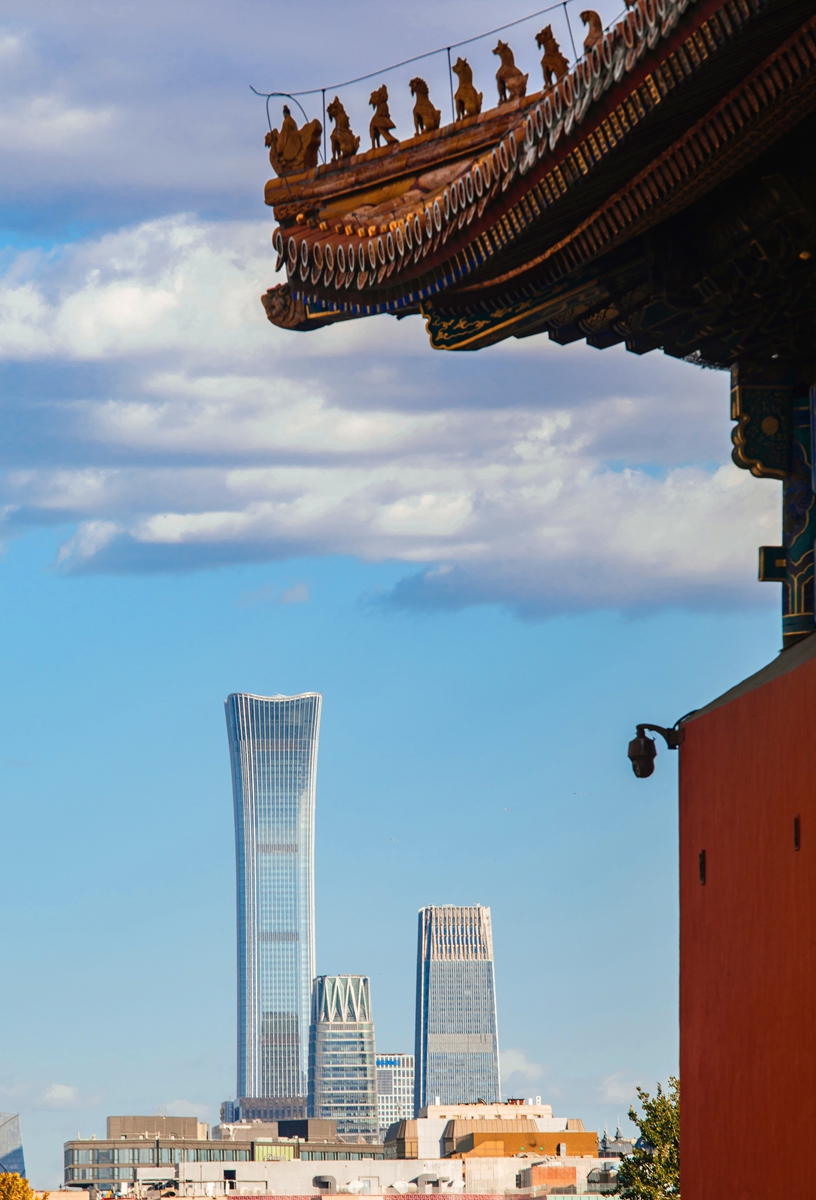
The golden tiles and sweeping upturned eaves with glazed mythical beasts at the Palace Museum in Beijing Photo: VCGBeijing has been designated as the UNESCO-UIA (International Union of Architects) World Capital of Architecture 2029, UNESCO announced on Wednesday.
"Beijing was selected for its exceptional ability to bring together one of the world's richest architectural heritages with a forward-looking vision of sustainable urban development. Its historic urban fabric, successful regeneration projects and vibrant architectural culture demonstrate how heritage, innovation and community life can reinforce one another in shaping resilient and livable cities," says UNESCO in a press release.
Established jointly by UNESCO and UIA, the World Capital of Architecture program highlights the transformative role of architecture, urban planning, culture and heritage in advancing sustainable urban development. Every three years, UNESCO designates the host city of the UIA World Congress as the UNESCO-UIA World Capital of Architecture.
Why does the Chinese capital win the title and what does it mean for the ancient city and the international event?
Chinese architect Ma Yansong told the Global Times that Beijing is a beautiful city because it seamlessly blends tradition with modernity. "Historic and contemporary architecture coexist in a very harmonious way, which is one of the reasons UNESCO selected Beijing," he said.
Beijing is home to eight UNESCO World Heritage Sites, including the Great Wall, the Palace Museum, Temple of Heaven and Beijing Central Axis, highlighting its ancient urban planning and cultural heritage preservation.
"For me, the most beautiful landmark in the city is the Temple of Heaven. Its charm comes from the entire setting. As you walk along the elevated pathways surrounded by rows of trees, you naturally develop a sense of ceremony. Then, at the end of the route, the Hall of Prayer for Good Harvests comes into view. The proportions and composition are so perfectly balanced that they remind me of a symphony," Ma said.
In an era of globalization, cities around the world are becoming increasingly connected, making it even more important to preserve what makes each place unique. China, too, needs a recognizable image of its own, one that reflects its rich cultural heritage while presenting an identity to the world, Ma said.
Rio de Janeiro in Brazil became the first city to be designated the UNESCO-UIA World Capital of Architecture in 2020, followed by Copenhagen in 2023 and Barcelona in 2026.
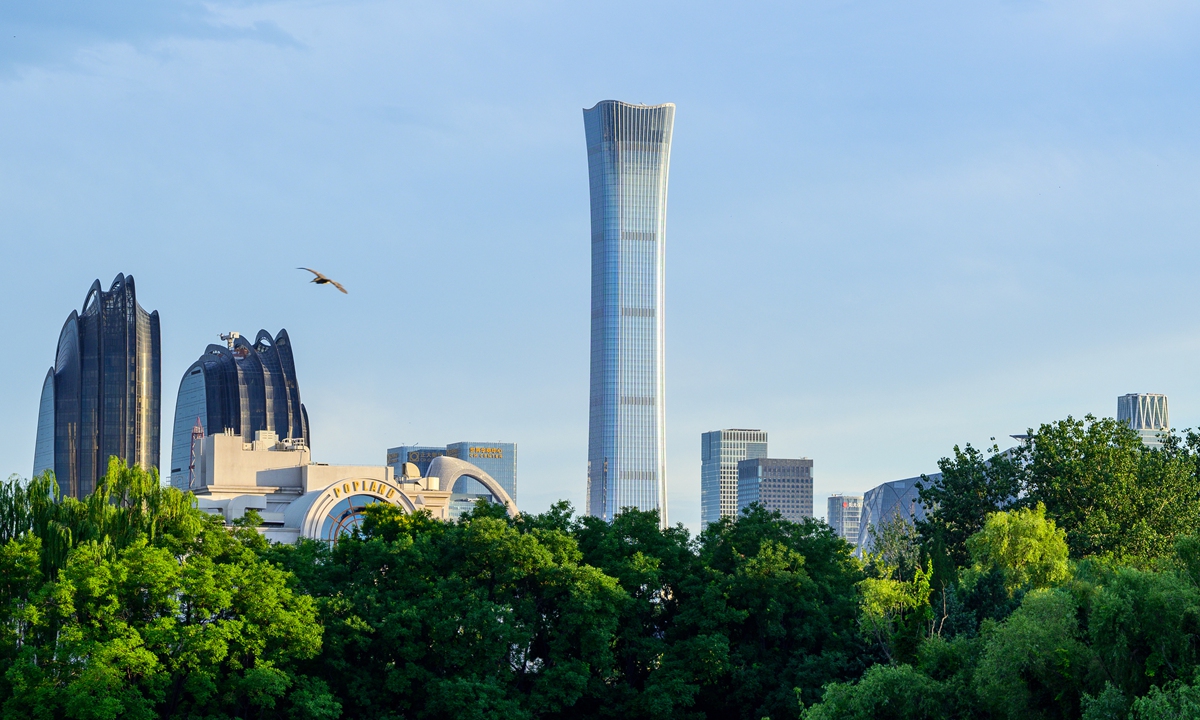
Beijing's city skyline Photo: VCG
'Back to balance'Following the designation, Beijing will host the 2029 UIA World Congress of Architects and General Assembly under the theme "Back to Balance." The Congress aspires to address the global anticipation of restoring balance in the world in three areas titled Balance between Human and Human, Balance between Human and Nature and Balance between Human and Technology, according to UIA.
Lü Ning, an associate professor at the School of Architecture and a senior engineer at the National Heritage Center of Tsinghua University, told the Global Times on Thursday that Beijing's architectural and cultural heritage naturally embodies the core concepts of harmony and equilibrium found in Chinese philosophy's "impartiality and harmony" and "unity of man and nature."
The city's Central Axis, renowned for its spatial symmetry that balances order and landscape design, exemplifies this philosophy. Beijing's holistic urban development approaches also highlight the city's commitment to balance both in heritage preservation and modern exploration, said Lü.
Taking the revitalization of Beijing's Dongxicha Hutong as an example, Zhang Man, an associate professor at Beijing University of Civil Engineering and Architecture, told the Global Times that the project has addressed the balance between long-time residents and new businesses in the historic neighborhood.
While preserving the ancient architecture of the hutong, or traditional alleyway and creating more public spaces, cafés, bookstores and cultural buildings were added to the community near the Miaoying Temple (White Pagoda Temple), breathing new vitality into the once cluttered historic block.
Forward-looking vision
Khaled El-Enany, director-general of UNESCO, said, "As we look towards to Beijing 2029, we are confident that the city's extraordinary architectural heritage, dynamic urban transformation, and forward-looking vision will inspire new international dialogue on the power of architecture in improving people's lives and in safeguarding shared heritage for future generations."
UNESCO's recognition is expected to raise standards for protection and management of the capital's World Heritage Sites, introducing advanced technologies, systematic oversight, and improved long-term monitoring, Lü noted.
Inheritance and revitalization will also benefit, as architects from around the globe exchange ideas and encourage innovative reuse, breathing new life into the heritage. Ongoing public engagement, through exhibitions, workshops, and regular cultural programs, will help keep the heritage alive, he said.
。”这不仅是一句口号,更成为这个工业大区“挑大梁、振雄风”的行动指南。在上半年GDP增长5.6%的坚实基础上,如何推动富阳从蓄力起势迈向加快成势?日前召开的富阳区委二届十次全会给出了清晰路径——主攻先进制造,建设创新富阳,在杭州打造更高水平创新活力之城中挺起“腰部”担当。

三 | 创新发展 从传统制造到智能制造上半年,富阳先进制造聚链成群、项目引育量质并举、创新驱动持续加速的态势越发鲜明。“集光机智生”五大新兴产业规模达318亿元,同比增长22.6%。尤为亮眼的是,人工智能、集成电路、生物医药集群增速均位列全市第一。制造业投资同比增长27.7%,在全市百亿级区县中位列第二,占固定资产投资近40%。其中,集成电路产业预计今年将翻番突破百亿元,2028年将达到350亿元,再造一个富阳造纸产业规模。今年以来,富阳已落地亿元以上制造业项目45个,实现全年任务半年完成。

四 | 此外,国家重点研发计划实现零的突破,前沿新材料入选省未来产业先导区专项激励攻坚名单,创新驱动正从“点的突破”走向“面的爆发”。

五 | 如果说上半年的数据是“蓄力”的证明,那么区委全会的部署则是“起势”的号角。“我们要锚定先进制造业主攻方向,做大规模、做强集群,带动人口集聚,拉动生产性服务业、农文旅消费升级,推进产城人深度融合,走出一条从‘传统制造’到‘智能制造’的创新发展路径。”富阳区委主要负责人表示。AI赋能 形成多极支撑产业格局当前,富阳正以“25X”先进制造业集群培育为重点,深入实施制造业高质量发展五年行动计划。

六 | 一手抓传统产业“老树发新芽”,推动铜基材料、光电通信向高端化、智能化、绿色化转型,力争5年内本土企业裂变亿元以上新项目超100个,铜基材料制造交易平台冲刺“双千亿”目标,通信行业传统光电产业份额保持全市三分之二以上;一手抓新兴产业集群“新枝结新果”,力争到2030年,战略性新兴产业增加值占比达40%以上,“25X”集群总规模瞄准1000亿元以上,建成全省领先的模拟芯片特色园区,打响“中国光电湾”和“机汇富春”产业地标。蓝图已绘,目标已定,关键还看打法。富阳明确了一套“组合拳”——全面推进AI赋能,开展“人工智能+”专项行动,聚力培育智能终端制造业集群;高效运行“1+2+2+X”招商体系,发挥链式招商、资本招商等“关键几招”,着力引进链主型、补链型项目;深耕科技孵化转化,专注成果转化“1-10”“10-100”的产业化关键环节,打通从概念验证、产品中试到项目落地的转化通道,让更多实验室技术转化为新质生产力;持续升级创富产业园、滨富合作区特别合作模式,推动产业人才政策与城西科创大走廊“同廊同待遇”,构建“研发在主城、创新转化在富阳”的区域协同创新体系;迭代“个十百千”企业全周期培育体系,分类培育科技型中小企业、专精特新“小巨人”和制造业单项冠军;落地人才“企业认定、政府认账”机制,深化“科技副总”“产业教授”双向流动;打响“无事不扰、有求必应”营商环境品牌,厚植“鼓励创新、宽容失败”的城市文化,让富阳真正成为成本低、服务优的创新沃土。

七 | 从“造纸之乡”到“芯光大道”,当蓄力已久的富阳完成“深蹲”,迎来的必将是更有力的一跃。
Current article:http://www.zhouangnaoguangsundianzhenmou.cfd/8ll/7dd.docx
Published on:02:59:53