
春日
日本没有倒车摄像头,销售超过DSLR_我的网站

A | 1月12日,中央电视台报道,由于使用方便、音量控制和画面质量的提高,2018年日本非倒车摄像头的年出货量已超过单反相机。报道称,与单镜头反射照相机相比,即单镜头反射照相机,无反射照相机最大的特点是没有内反射镜,结构简单,但质量功能不低于单镜头反射照相机。业内人士表示,五年前,当市场上没有倒车摄像头时,销量仅为单镜摄像头的一半左右。然而,自2017年以来,日本各大厂商纷纷加大研发力度,纷纷采用单反相机所采用的“全帧”成像技术,大大提高了画面质量,丰富了功能。随着各种社交平台的兴起、携带方便、上传方便等特点,非逆行相机越来越受到年轻女性和摄影爱好者的欢迎。由于单反相机的尺寸有限,使用方便,它在市场上的受欢迎程度不如无反转相机,这是越来越多的制造商开始转向无反转领域的最重要原因。
August 15 this year marks the 81st anniversary of Japan’s unconditional surrender in World War II. A ceremony themed “Nanjing Will Never Forget” was held on Saturday at the Memorial Hall of the Victims in the Nanjing Massacre by Japanese Invaders in Nanjing, East China’s Jiangsu Province.
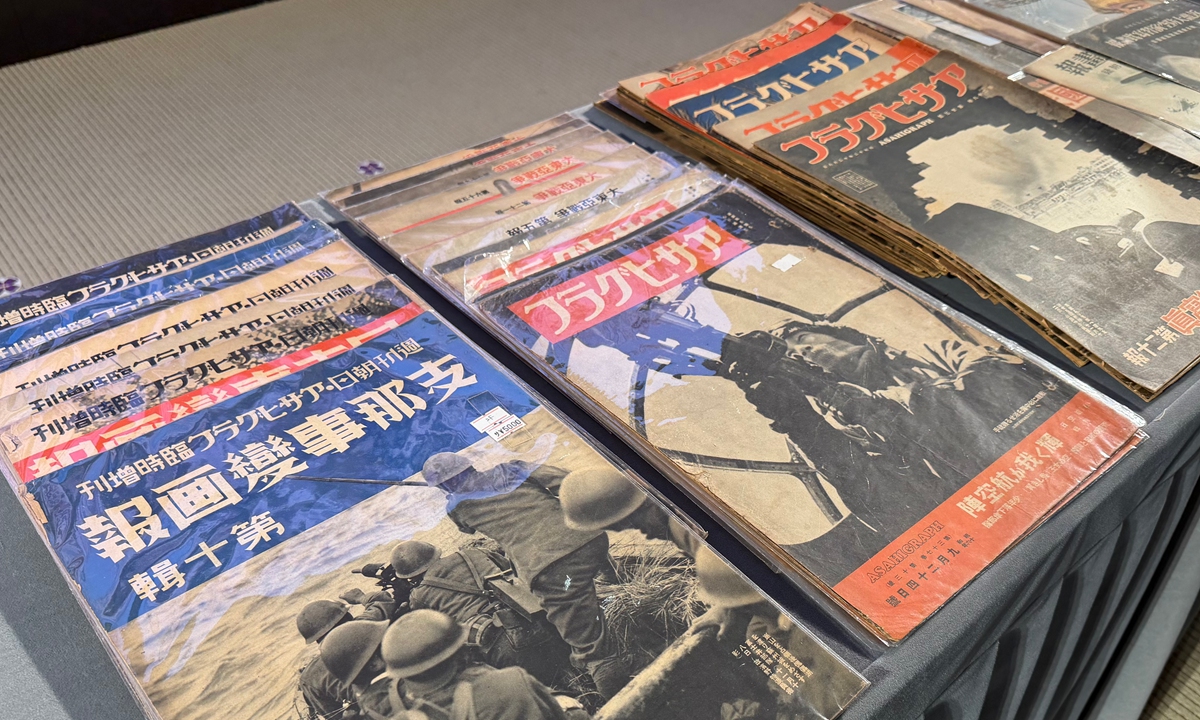
At the ceremony, a batch of newly acquired artifacts, historical materials, and documents related to the War of Resistance Against Japanese Aggression, including Japanese soldiers’ private letters, wartime postcards, educational materials on gas warfare, news compilations and French diplomatic archives, was officially added to the memorial hall's collection.
Overseas‑sourced historical archives drew wide attention among the donated materials. French youth Marcus Detrez, his compatriot Bastien Rata and Chinese youth Zhong Haosong jointly donated a set of historical documents on Japan’s aggression against China from the French diplomatic archives in Nantes, as well as Japanese‑language materials they had collected in Japan.
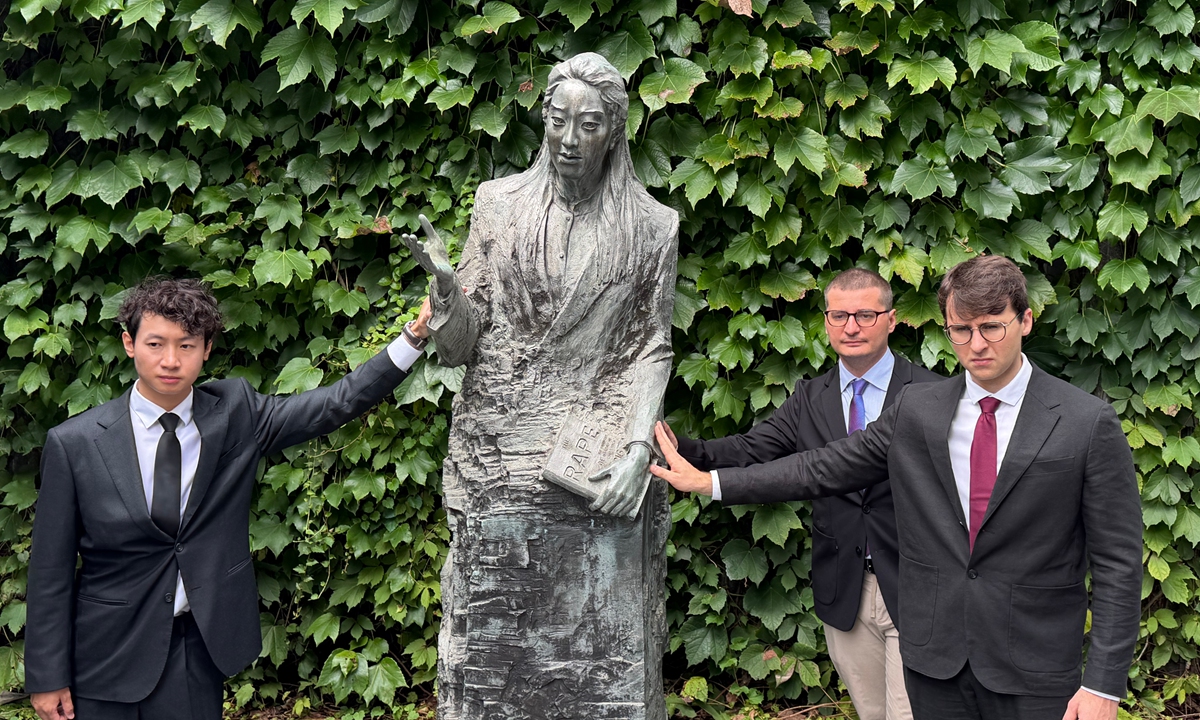
Marcus told Global Times on Saturday that, through these archives and related research, they have gained a deeper understanding of the brutality of the Nanjing Massacre. He said that collecting these materials was also aimed at conducting more educational work to help more people learn about this period of history.
The materials brought back from Japan by Zhong include albums of documentary paintings of the Japanese invasion of China by artists accompanying the invading Japanese army, privately taken photo albums of the invading Japanese troops, and original publications from the same period, including the Asahi Shimbun. These materials all come from original Japanese records.
The overseas historical materials were collected over an extended period. Zhong said they contacted sources online and searched through antique and secondhand book channels while continuing to collect materials in Japan.
The new collection on Saturday also includes materials gathered by Chinese youths. High school student Yu Ningpeng and Xu Weizhe donated 12 private letters written by a soldier of the 20th Regiment of the Imperial Japanese Army’s 16th Division, documenting his experiences during the invasion of China. One letter, dated December 20, 1937, contains accounts related to the Japanese occupation of Nanjing.
Meng Guoxiang, a researcher at the Institute for National Memory and International Peace Studies, told the Global Times at the event on Saturday that historical research places great importance on the sources of historical materials, with original archives holding significant value.
Some of the materials donated this time were records left by the perpetrators themselves, while archives from third-party countries such as France provide another perspective, Meng said, adding that cross-checking materials from different sources can help build a more complete body of evidence.
Notably, alongside the handover of the latest batch of archival materials, the memorial hall also held a ceremony to induct the fifth group of inheritors of the historical memory of the Nanjing Massacre. Six people were named as the latest inheritors, including descendants of Nanjing Massacre survivors, descendants of eyewitnesses, and descendants of international friends. They help pass on historical memory through family traditions, educational activities and efforts to raise public awareness of history.
In recent years, a growing number of post-1990s and post-2000s private collectors, as well as foreign nationals, have joined efforts to collect historical materials, a trend that has deeply moved and impressed Zhou Feng, curator of the Memorial Hall of the Victims in Nanjing Massacre by Japanese Invaders, he told the Global Times.
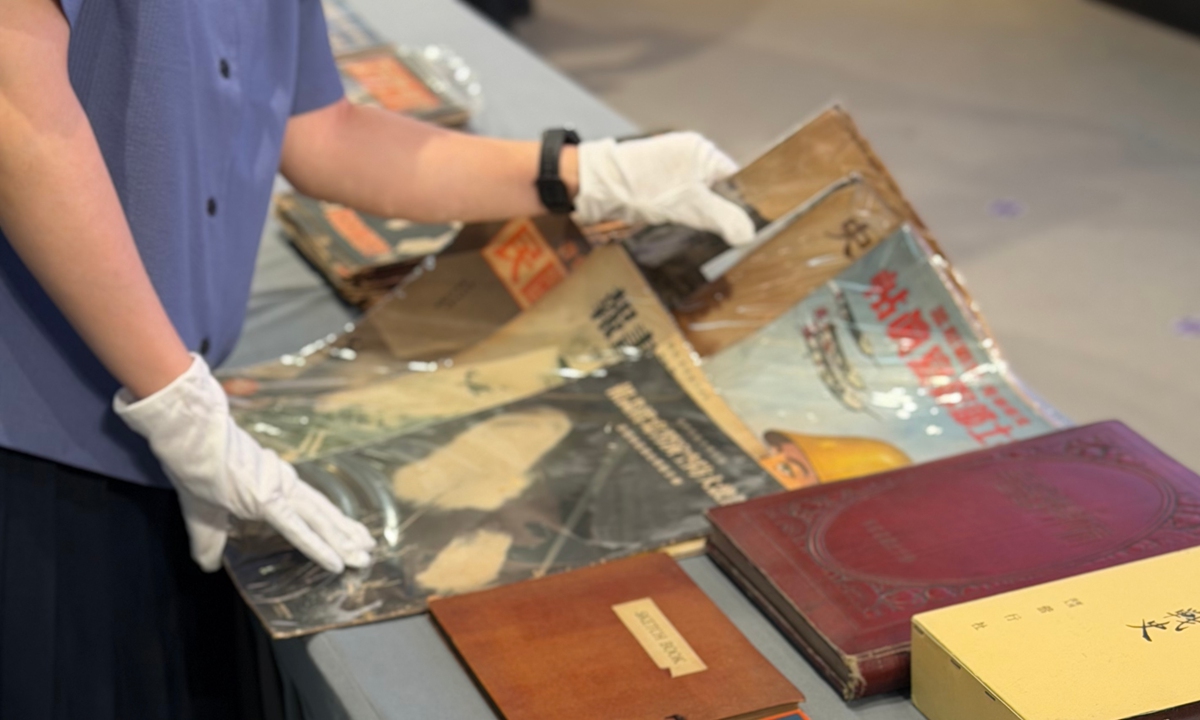
Zhou said that preserving history and historical records was once widely seen as the responsibility of museums, cultural institutions and professional scholars; however, today, more and more private collectors are taking the initiative, spending their own money to collect historical materials scattered across China and overseas.
Historical memory, he said, needs to be passed down from one generation to the next. The donors come from different generations, nationalities and backgrounds, but share a common respect for historical truth and commitment to justice.
Since the beginning of this year, the memorial hall’s Nanjing Massacre Documents Center has launched a global campaign to collect relevant historical materials, receiving support from various sectors both in China and abroad. Nearly 100 donors from China and overseas have so far contributed materials to the memorial hall, Zhou said.
。

B | 目前,日本相机的总体规模在10年前已经缩小到30%左右,没有一款反向相机成为主要制造商的新竞争点。
Current article:http://www.zhouangnaoguangsundianzhenmou.cfd/gsjg/20260826/484.htm
Published on:09:39:59
我的网站最近更新
- 联想新推出的固态移动硬盘架京东:火柴盒尺寸,一体成型金属外壳
- China-Peru joint-venture Chancay Port posts over 70% rise in H1 throughput
- 昔日天体之王!43岁孔卡社媒晒照,分享与妻子外出游玩的甜蜜日常
- 官方完整视频:张小龙4小时微信公开课
- PLA Navy Task Force 83 returns after completing far-sea training and visits to Russia, Vietnam, Brunei and Indonesia
- Windows 10笔记本电脑Dell XPS 13新的2.25毫米相机分辨率:四个镜头
- B费:重点不在于我的助攻数据,我更乐于看到队友进球
- 月薪两万女子因裁员焦虑,每天学习到凌晨五点,想提升自己为跳槽做准备,医生:强迫症的典型表现
- 若纳坦-塔确认约满离开药厂:已告知俱乐部,决定不会改变
- Kiara Advani Celebrates Her First Christmas After Embracing Motherhood
- International market remains key growth driver for China's air cargo
- 晨间进口蒙古国炼焦煤市场偏强运行
- 惺惺相惜,巴特勒:库里将是我们最终夺得总冠军的关键
- Photos: Saif Ali Khan and Karisma Kapoor Visit Deol Residence
- Health promotion center led by Chinese medical team established in Guyana
- 雷军任命陆伟兵为红米品牌副总裁、总经理。
- 中到大雨,局地暴雨!伴有雷电+7级左右阵风!北京启动防汛三级应急响应,发布多项预警,详情
- Dhurandhar box office: Ranveer Singh makes a strong comeback, film opens at Rs 27 crore
- 华为MateBook 13笔记本线上线下销售热潮:1月22日深灰色配色
- Oppo Yuelong 855新款Geekbench跑步曝光:代码“波塞冬”
- 官方:狼队边卫霍福尔转会布拉格斯巴达,球员曾效力于利物浦
- 闭路电视解读5G网络4K视频:更快、清晰
- 腾讯联合拳头公司成立腾津体育
- Dil Raju Denies Film With Salman Khan; Confirms Akshay Kumar
我的网站热门资讯
- 京东、天茂和苏宁将收到2019年货运节的现金红包凭证。
- China launches first large-scale project to reuse retired wind turbines
- Mukesh Chhabra reveals Akshaye Khanna’s reaction to viral Dhurandhar scene
- 80 percent of flights in Shanghai canceled, over 100 streets see waterlogging as Typhoon Dolphin sets record to travel 6,000km before landfall
- Why China's favorability is rising across the Global South
- Kartik Aaryan Shares Emotional Haldi Video From Sister Kritika Tiwari’s Haldi
- Dharmendra's Last Film Ikkis' Release Date Pushed Amid Dhurandhar Craze, Here's The New Release Date
- 联合国成立工作组应对霍尔木兹海峡危机,初期重点保障化肥及相关原材料运输
- U16国足多打一人!墨西哥U16球员报复动作染红,双方爆发冲突
- Shah Rukh Khan and Kajol's Best Moments From 2025
- China's Pingyao International Photography Festival draws nearly 20,000 works from over 2,600 photographers
- Chinese, Indonesian naval frigates complete maritime exercise in waters east of China's Taiwan island: PLA Eastern Theater Command
- 10 Horror Movies for a Spooky Halloween Night
- Google Chrome OS测试新的文件管理器:更像主流桌面
- 北控两人被驱逐:孟子凯挑衅陈盈骏拉拽曾凡博 里勒6犯+吃T失控
- Aamir Khan Opens Up on Choosing Films With Social Issues: "I Broke Every Rule..."
- 德媒:海登海姆球迷破例为穆勒送上掌声,以表达对他的敬意
- Red Rice Note7具有“性价比”的性能比,它包含了Redmi对旗舰产品的核心影响。
- 2026阿迪达斯大学足球冠军邀请赛落幕,北京体育大学夺冠
- Jitendra Kumar & Mahvash to Star in Tedhi Hain Par Meri Hain
- TA:新赛季英超20队中有14支上调季票售价,富勒姆以3192英镑居首
- 悠哉悠哉!巴特勒赛前INS:喝着咖啡&看着绿军vs魔术G1直播
- Microsoft To Do Windows 10 UWP Edition更新:多个任务用于Stick跟踪列表
- 小电视废料质量:Bilbili动画旧版和概念版应用程序现在只能选择清晰流畅的质量。